Google Ads automation has transformed how advertisers manage campaigns. With machine learning handling bids, targeting, and ad variations, businesses can scale faster than ever. However, relying too heavily on automation without proper strategy often leads to wasted budget, poor-quality leads, and loss of control.
This article explains how to use Google Ads automation strategically, allowing you to scale campaigns while maintaining performance, profitability, and transparency.
What Is Google Ads Automation?
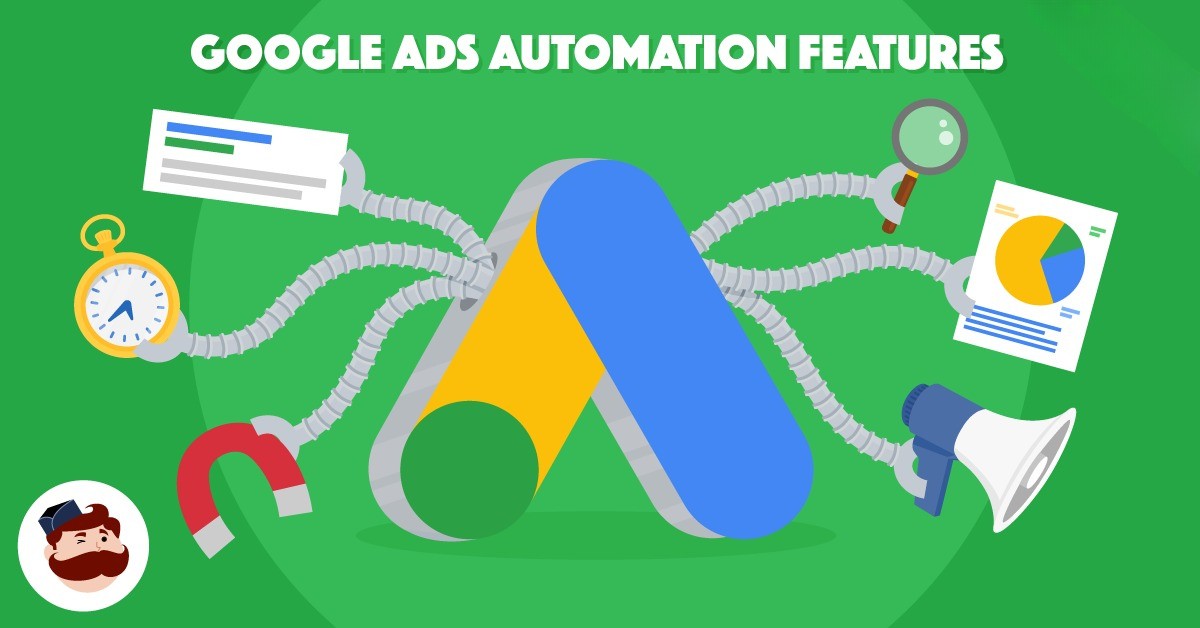
Google Ads automation uses artificial intelligence and historical data to optimize campaigns automatically. It helps with:
- Bid adjustments in real time
- Audience targeting and expansion
- Ad creative testing
- Budget distribution across campaigns
Automation learns from user behavior to improve results over time.
Key Benefits of Google Ads Automation
When used correctly, automation offers:
- Faster campaign optimization
- Reduced manual workload
- Improved conversion volume
- Better scalability for large accounts
Automation is especially useful for accounts with high data volume.
The Risk of Over-Automation
Many advertisers enable automation too early or without preparation. Common problems include:
- Activating smart bidding with insufficient data
- Poor or incorrect conversion tracking
- Low-quality leads counted as conversions
- Lack of monitoring search terms and placements
These mistakes cause Google’s algorithm to optimize toward the wrong goals.
How to Maintain Control While Using Automation
To balance automation and control:
- Set up accurate conversion tracking
- Define clear business objectives
- Regularly review search terms and placements
- Monitor performance metrics weekly
Automation should assist decisions, not replace human strategy.
Understanding Smart Bidding Strategies
Google Ads offers several bidding options:
- Maximize Conversions: Best for lead generation
- Target CPA: Ideal for cost control
- Target ROAS: Suitable for e-commerce
- Maximize Conversion Value: For high-ticket offers
Choosing the wrong strategy can limit performance.
When Automation Is Not Recommended
Avoid full automation if:
- Your account is new with limited data
- Your budget is very small
- Your industry requires strict lead qualification
- Brand messaging needs precise control
In such cases, a hybrid approach works best.
Best Practices for Automation Success
- Start with manual campaigns to gather data
- Introduce automation gradually
- Track meaningful conversions only
- Run frequent performance audits
Conclusion
Google Ads automation is powerful, but only when guided by a clear strategy. By combining automation with expert oversight, businesses can scale efficiently without sacrificing control or ROI.